 Orlando Garlic Company
Grow
Cloves in the cool months
UF/IFAS Gardening Solutions gives Florida garlic one planting window: late fall through early winter. Softneck varieties are what work in this heat. The bulb in the grocery store is usually from California or imported, and Florida is not a garlic state.
What the planting window is
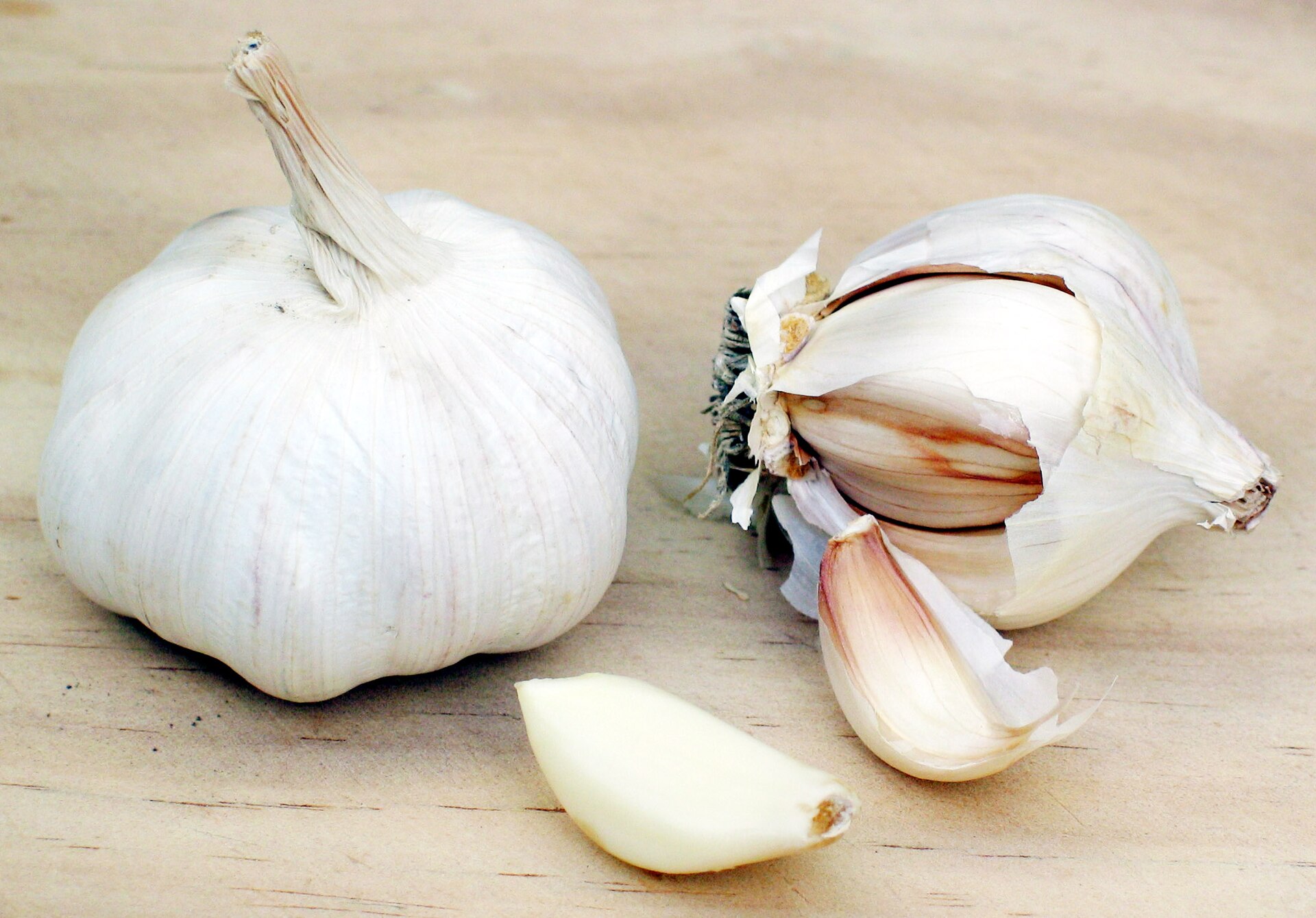
Garlic is in the onion family, and UF/IFAS says it can be planted in Florida from late fall through early winter. Garlic does not produce seed, so you propagate it by breaking a bulb into individual cloves and planting those. The variety line matters more here than the date: look for soft-necked types such as Artichoke or Creole, which UF/IFAS names as well suited to Florida gardens. Hardneck garlic is bred for cold winters and a long chill. That is not what a Central Florida winter provides.
What UF/IFAS does not publish for garlic
This is worth saying plainly, because it changes how much weight to put on any date you read online. Garlic is not in the planting table of the Florida Vegetable Gardening Guide, and it is not in the UF/IFAS What to Plant by Month lists either. Onions, leeks, and shallots are. Garlic is not. The Gardening Solutions garlic page is the UF/IFAS source that gives a window, and it gives a season, not a week. So treat late fall to early winter as the guidance, and treat any specific calendar day you find as somebody's garden, not a state recommendation.
How to plant
- Buy or save a bulb of a softneck variety. Break it into cloves right before planting rather than weeks ahead.
- Plant each clove with the pointed end facing up, in full sun and well-drained soil with organic matter in it.
- Water and fertilize on a regular basis. UF/IFAS is explicit that regular water and feeding are what make a bulb worth harvesting, and this crop is in the ground for months.
- Keep weeds out. A clove is competing from a standing start against everything else in the bed.
Bed or container
Garlic is a good container crop for a practical reason: one clove takes up almost no room, so a shallow wide pot holds a useful number of them, and a pot lets you control drainage in a state where the native answer is sand. In a bed, the same rules apply as any cool-season vegetable: full sun, well-drained soil, and organic matter worked in. Whichever you choose, this is a long occupancy. Ground that holds garlic from late fall to late spring is ground that is not growing anything else, which is the real argument for putting it in a container off to the side.
The bigger cousin that likes it here better
If regular garlic has disappointed you, UF/IFAS Extension Leon County makes a case for elephant garlic, and is careful about what it is. Elephant garlic, Allium ampeloprasum, is related to garlic but is considered a bulbing leek. It tastes milder and slightly sweet, grows up to three times the size of a regular garlic bulb, and the Leon County post says it takes Florida heat and humidity much better than regular garlic does. That report is written for the Panhandle, not Orange County, so read it as a lead rather than a local recommendation.
Its practical notes are specific. It is a long season crop that wants eight months for best results, so it goes in during fall for an early summer harvest. Plant cloves six to eight inches apart, pointed end up, covered with four to five inches of soil rich in organic matter, in full sun, and keep the moisture consistent. In spring it throws a tall flowering scape; remove it so the plant puts its energy into the bulb, and eat the flower head in a salad or a stir-fry. If you plant late or the plant runs short on water or nutrients, you may harvest one big round bulb instead of a bulb that separates into cloves. Leave those in the ground and they should form cloves the next year, or use them in the kitchen as they are.
When to pull it
UF/IFAS gives one signal, and it is a leaf count, not a date: harvest when about half of the leaves have dried and bent toward the ground. Do not wait for all of them. On elephant garlic the Leon County post describes the same moment from the other side, as bulbs sizing up while the wrapping leaves decrease and the tops turn lighter green or yellow and start to die back, and it suggests loosening the soil with a potato fork and lifting the bulbs out rather than pulling on the stalks.
Curing and storage
The crop is not finished when it is out of the ground. UF/IFAS says to put the bulbs in a well-ventilated spot with bright, indirect light for a few days. When they are dry, cut the leaves off and store the bulbs somewhere cool and dark until you cook with them. The Leon County post gives a longer version for elephant garlic: lay bulbs in a single layer on a dry, well-ventilated surface for at least a week, then trim the roots and store them cool and dark for eight to ten months. A vented ceramic keeper is the cool and dark part of that instruction, sized for a kitchen counter. Get this. What ruins cured garlic is a sealed container and a bright shelf.
For the cooking end, a swing-basket press handles cloves without the peeling. Get this. A silicone roll tube gets the skins off a whole head with your hands staying clean. Get this.
Questions
Can I plant a clove from a grocery bulb?
Garlic is propagated by dividing bulbs into cloves, so mechanically yes. The catch is that a grocery bulb is often a variety grown for California, not a softneck chosen for Florida heat, and it may have been treated to discourage sprouting.
Why is my bulb one solid round?
The Leon County post attributes that on elephant garlic to planting late or to water and nutrient stress. Left in the ground it should divide into cloves the following year.
Is Florida a garlic state?
No. UF/IFAS treats garlic as a home garden crop here and does not include it in the state vegetable planting tables. Grocery garlic is usually California or imported.
Sources
- Garlic, UF/IFAS Gardening Solutions
- Florida Vegetable Gardening Guide (SP 103/VH021), UF/IFAS
- The Joys of Growing Elephant Garlic, UF/IFAS Extension Leon County
Planting window versus the year-round grocery bulb, or the shop for presses and keepers.